
Daily Bathtub Maintenance Habits
Your bathtub is one of the hardest-working fixtures in your home. It gets daily use, constant exposure to moisture, and serves as a sanctuary for relaxation after long days. Yet most homeowners don’t think about bathtub maintenance until something goes wrong. By developing simple daily habits, you can prevent costly repairs, extend your tub’s lifespan, and keep your bathroom looking great for years to come.
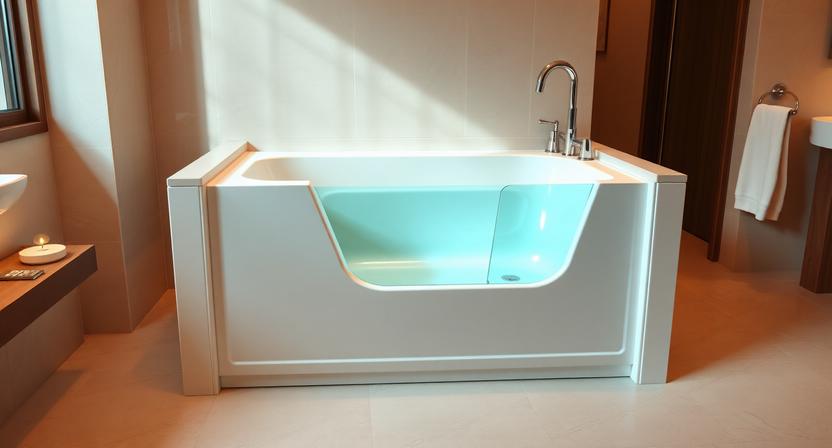
In this guide, we’ll walk you through practical maintenance routines that take just minutes each day, help you identify common problems before they become expensive, and show you when it’s time to call in the professionals for bathtub repair or refinishing services.
Why Daily Bathtub Maintenance Matters
Your bathtub experiences more stress than you might realize. According to industry data, the average bathtub lasts between 20 to 30 years with proper care, but neglect can cut that lifespan in half. Beyond longevity, regular maintenance prevents the growth of mold and mildew, keeps your drain flowing freely, and maintains the finish that keeps your tub looking new.
Think of bathtub maintenance like caring for your car—small daily habits prevent expensive problems down the road. A few minutes of attention each day costs nothing but prevents bathtub replacement or major bathroom renovation expenses that can run $3,000 to $7,000 or more.
Simple Daily Maintenance Habits You Can Do Right Now
Wipe Down After Every Use
The easiest habit to start is wiping down your tub after bathing or showering. Here’s why this matters: standing water and moisture create the perfect environment for mold, mildew, and soap scum buildup. You don’t need fancy products or much effort—just grab a squeegee or old towel and give the tub a quick wipe, especially in corners and along the edges where water pools.
This single habit can reduce mold growth by up to 80% and keeps soap residue from building up and dulling your tub’s finish. It takes less than two minutes and saves you from harsh scrubbing later.
Keep Your Drain Clear
Drain issues are among the most common bathtub problems homeowners face. Hair, soap, and debris accumulate surprisingly fast, leading to slow draining water that can cause standing pools and increase mold risk.
Make it a weekly habit to remove visible hair from your drain. Many people simply pull out accumulated hair with their fingers (wear gloves) or use a simple drain strainer basket. This preventive step costs nothing and takes 30 seconds but prevents the expensive plumbing bills that come with serious clogs.
For deeper cleaning, you can use a plunger or a basic drain snake once a month. Avoid chemical drain cleaners when possible, as they can damage older pipes and sometimes harm your bathtub’s surface.
Inspect for Cracks and Damage
Set a simple habit: once a week, take 60 seconds to look at your tub’s surface. Check for hairline cracks, chips, or areas where the caulk is separating from the edges. Early detection is crucial for preventing water damage.
Small cracks might seem minor, but water seeps beneath your tub through these openings, potentially causing rot in subfloors and structural damage that becomes very expensive. Many homeowners discover serious water damage only after it’s too late and a bathroom renovation becomes necessary.
Managing Moisture and Preventing Mold & Mildew
Mold and mildew aren’t just unsightly—they’re health hazards that thrive in bathroom environments. According to the EPA, bathrooms are one of the most common locations for household mold growth.
Ventilation Is Non-Negotiable
Run your exhaust fan during and for at least 20 minutes after showering. This removes excess humidity that feeds mold growth. If your bathroom doesn’t have an exhaust fan, consider having one installed—it’s one of the best investments for bathroom health and longevity.
Use White Vinegar or Baking Soda
Rather than reaching for harsh chemicals, try this simple routine: spray white vinegar on any visible mold spots and let it sit for 10 minutes before wiping clean. For tougher spots, make a paste with baking soda and water. These natural cleaners are effective, safe for your family, and won’t damage your tub’s finish like some commercial products can.
Address Caulking Issues
The caulk around your bathtub is your first line of defense against water intrusion. Over time, caulk deteriorates, creating gaps where water seeps behind your tub. When you notice caulking pulling away or developing black mold spots, it’s time to address it.
Many homeowners can recaulk their own tubs—it’s a straightforward DIY project using silicone caulk and a caulk gun. However, if you’re unsure or if your tub has widespread caulking problems, professional bathtub services can handle this quickly and ensure a watertight seal.
Common Bathtub Problems and How to Prevent Them
Soap Scum Buildup
Hard water minerals and soap residue create that stubborn, dull coating on bathtub surfaces. Prevention is simpler than removal: daily wiping and weekly cleaning with white vinegar or specialized bathtub cleaner keeps scum from building up.
If you already have heavy buildup, you might consider professional bathtub refinishing rather than aggressive scrubbing, which can damage your tub’s surface.
Rust Stains and Discoloration
Rust stains typically come from iron deposits in your water or metal fixtures corroding. While these are usually cosmetic, they’re hard to remove and suggest underlying water quality issues worth investigating.
Keep drain plugs and fixtures clean to minimize rust development. If rust becomes extensive, bathtub refinishing can restore your tub’s appearance entirely.
Chips and Flaking Finish
The surface finish on your bathtub—whether porcelain, acrylic, or fiberglass—gradually wears from daily use. Small chips might seem minor, but they expose underlying material to water damage and continue expanding over time.
Small chips can sometimes be repaired with touch-up kits, but significant damage usually requires professional bathtub repair or refinishing to prevent costly water damage.
When to Call the Professionals
While daily maintenance prevents most problems, some situations require professional expertise:
Bathtub Refinishing is ideal when your tub looks tired, has surface discoloration, or minor chips, but the structural integrity is sound. Refinishing costs $400 to $1,000—a fraction of replacement—and can add years of life to your tub.
Bathtub Repair services handle specific problems like caulk replacement, minor leak fixes, or surface damage. These targeted repairs often cost $300 to $800 and prevent bigger problems.
Bathtub Replacement becomes necessary when your tub has structural damage, multiple large cracks, or persistent leaks. While expensive ($3,000 to $7,000+), sometimes replacement is more cost-effective than repeated repairs.
Professional Drain Cleaning uses specialized equipment to clear stubborn clogs that DIY methods can’t handle. These services run $150 to $300 but are worth it to prevent backed-up water and bathroom flooding.
Many professional bathtub services in the USA now offer free estimates, making it easy to understand your options without obligation.